
Utah may not get as much recognition in the business world compared to other, flashier parts of the country, but the state has been a thriving business hub over the …


Utah may not get as much recognition in the business world compared to other, flashier parts of the country, but the state has been a thriving business hub over the …
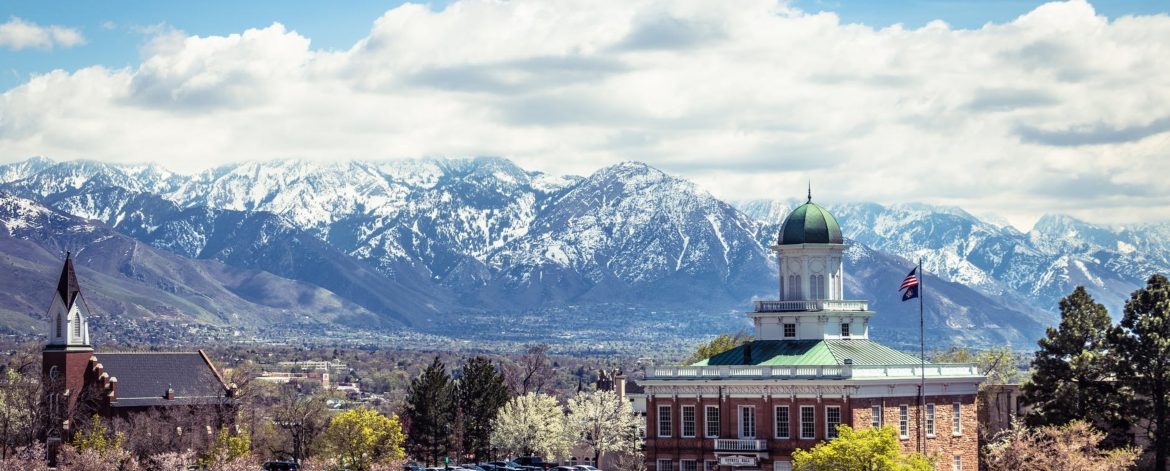
Wintertime is a cherished season that offers you a lot of time to spend with family. Whether it’s snowball fights in your backyard, a trip to the Utah Olympic Oval …

Although Seattle and Salt Lake City rest in the Western US, they are entirely different worlds.
When you move, you will have to adjust to a new environment. You will have to make new friends. You will have to get used to a new workplace. These uncertainties can be rather daunting or worse, agonizing.
Relax. Take it easy. It’s only natural to be afraid of the unknown. While you might not have a choice, you can’t just sit down and do nothing. The best thing to do is to prepare yourself to handle the move.
To help you get ready, here are some tips from long-distance movers.
Compared to Seattle, religion in SLC is more unified. Over 60% of the population identifies themselves as a member of the Church of Latter-Day Saints. Now, this isn’t necessarily a bad thing if you can get along with others. Most citizens are friendly and accommodating.
But, if you’re not a Mormon, the difference in culture might cause minor issues at work. Most Mormons are incredibly devoted to their teachings. Don’t expect Mormon co-workers to be enthusiastic about R-rated box office hits. They will probably ignore your invitation to grab a drink — even if it’s to celebrate a promotion.
The best way to win their hearts is to talk about board games, cooking, and family-oriented activities.
Another aspect to look out for is your business attire. What is considered simple and presentable in Seattle might be too revealing for a Salt Lake City office. Carefully decide what to wear before going to work.
Gloomy, gray, and cold — three words to describe the Seattle weather with its absurd amount of rainfall. Salt Lake City will surely surprise you with the climate. It’s the total opposite of Seattle! Rain rarely visits the city, and it will be gone in a few hours when it does. You can enjoy the four seasons, just like how textbooks describe them — hot summers, warm springs, gorgeous autumns, and icy winters. Say goodbye to days of huddling in bed as the pleasant weather of Salt Lake pulls you into the beauty of the outdoors.
Does this sound too good to be true?
Well, the climate also has its downsides. Salt Lake City occasionally gets extreme weather inversions. Be sure to have an umbrella ready. Plus, don’t forget to puff up extra layers of clothing during winter. It gets super cold!
According to Numbeo, you will need $4,189 in Salt Lake City to maintain the same standard of life that you can get with $6,400 in Seattle! That’s a huge difference.
Among cheaper costs are groceries and utilities. Rent can be relatively cheap, but don’t relax just yet. It doesn’t mean that you can take it easy without putting in some work. You will still need to be competitive, resilient, and determined to find a job that pays well. As in most cities, the cost of living gets more expensive as you get closer to downtown. You might want to consider the distance from your workplace and your budget before settling for a home.
Owing to the religious influence in the city, Salt Lake is quite conservative when it comes to drinks. The allowed alcohol content is no more than 3.2% meaning it will take more than a few glasses for effect to kick in. Shops and retail stores are also closed on Sundays. A word of advice if you love to drink: you won’t love the city’s liquor laws. If you dislike alcohol, then you will probably love SLC.
Perhaps because of the gloomy weather, people in Seattle tend to be withdrawn. They don’t like to meddle in other people’s business. As for Salt Lake City, people are warmer and cordial. Most of them will invite you to church activities and friendly gatherings. Greet someone with a smile, and they will return it with a beam. It won’t be hard for you to make new friends.
Compared to Seattle, Salt Lake City is brighter and cleaner. Prepare yourself for a whole new experience from the weather to the kind of people that you meet. Wishing you a flawless move, good luck!

Moving is no easy task. Venturing to a faraway place with different sets of cultures and rules takes a lot of courage and effort. You will meet problems and uncertainties along the way. It might seem so scary at first that you will feel the urge to back out. Don’t worry. With the right preparation, you can overcome these hurdles and settle comfortably in your new home.
So, you’re relocating from San Diego to Utah — that’s a long 10-hour drive. It’s also worlds apart in terms of lifestyle.
Here are six essential things to know to help you with your move.
To start the list, it’s best to tackle your most pressing concern: expenses.
Good news! Living in Utah is cheaper than life in San Diego. Although you may have a lower salary, the economical prices for groceries and housing mean your monthly expenses will likely be lower as well. Most cities in the Beehive State are thriving. In Salt Lake City, you can find many jobs in the tech and digital industries. Living in downtown areas can be quite expensive, but it is not a surprise. It is the usual case for almost every city out there. If you’re looking to strike a balance between safety and affordability, check out this list of neighborhoods in the Salt Lake City area.
With 266 sunshine-filled days per year, San Diego’s weather is fairly pleasant and consistent for beach trips and hikes. While Salt Lake City averages 222 sunny days, it, along with the rest of the state experiences all four seasons. Blessed with an excellent climate for exploration, Utah is like an outdoor paradise. Enjoy the captivating views of Monument Valley, or unleash your inner daredevil by hiking in Bryce Canyon, or have fun skiing in one of many ski resorts all over the state. There’s so much to do, and the possibilities for recreation are endless.
In San Diego, people’s religious preferences are pretty diverse compared to Utah, where the majority of citizens belong to the Church of Latter-Day Saints. Expect to meet Mormon at your workplace, in your neighborhood, and almost anywhere else. Relax. There’s no need to feel imposed. Mormons are amiable and accommodating. However, expect them to invite you to church activities casually. In the long run, you will come to admire their devotion to family and their teachings.
But if religious interactions make you uncomfortable, this may be a con.
You might have heard this for the umpteenth time, but beers seriously suck in Utah. Due to the strong religious influence in the region, current liquor laws allow only 3.2% alcohol content for brews. It’s way more conservative than the usual 5% for most other states. If you’re someone who lives for the booze, prepare to be disappointed.
Utah’s economy seems to thrive off of taxes. Besides the base income tax of 4.95%, you will also need to pay taxes for sales, gasoline, alcohol, and property. All of these can take a good chunk of your income. Overall, Utah has the 23rd highest tax burden by state, with residents paying an average of 8.75% of their income towards state and local taxes. However, if you’re moving here from San Diego, you can expect a bit of a reprieve. The average tax burden in California, which ranks as the 13th most burdensome state, is 9.27%.
Be careful out driving around in Utah. A recently published study shows that Utah drivers, particularly those in the Salt Lake City area, are among the worst drivers in the country based on the number of reported accidents, speeding tickets, DUIs, and citations. While you might need to sharpen your defensive driving skills, there is a silver lining. Compared to San Diego, where commuters spend an average of 25 minutes getting to the office, in Salt Lake City, you can expect an average commute of about 20 minutes.
Relocation can be a challenging phase in life. Dozens of factors may affect your move, but always remember your purpose, your dreams, and the future of your family. Experience different activities and make new memories in Utah. Wishing you a smooth transition — good luck!
Do you know what is sweeter than honey?
It’s not chocolate cake or brownies. No! It’s not ice cream either.
Wanna know the answer?
It’s Utah. Nicknamed the ‘Beehive’ state, Utah is as sweet as it gets.
For the people living in here, Utah is a three-in-one package. You can choose to experience a city’s energetic lifestyle or the tranquil appeal unique only to the countryside. And if you want access to both worlds, enjoy the balanced atmosphere of the suburbs.
Moving to another place can be challenging—a giant leap as some people call it. So it’s best to carefully consider your options.
To help you weigh your decision, here’s a helpful moving guide with a list of the pros and cons of living in Utah.
Compared to surrounding states (like California), Utah’s cost of living is much more competitive. There are lots of high-paying jobs in contrast to low utility and grocery costs. Prices get expensive only when you’re closer to downtown. But it’s not a surprise. That’s how it usually goes for almost every city. That’s why most people prefer to settle comfortably in rural areas. Evaluate your budget to find a place fit for you.
To describe Utah in one word, it’s a paradise. Blessed with a four-seasons climate, you can enjoy every part of the year to the fullest. Experience the warmth of spring, the blazing energy of summer, a gorgeous display of fall, and surprisingly bearable winters.
On top of that, Utah rocks a beautiful outdoor setting. Many National Parks, like the famous Bryce Canyon and Zion National Parks, dot the land. Mountains stretch across the area. There are plenty of lush forests as well as greenery and desert patches for those who love adventures.
You will truly appreciate the beauty of nature when you live here.
You’re more likely to trip on your shoelace than getting mugged in Utah. It’s one of the safest places in the U.S. Statistics assert that violent crime is more or less 35% lower than the rest of the nation. This percentage gets even lower as you go farther into the suburbs and rural areas. Utah’s firm religious foundation contributes to this low crime rate.
You may have heard that Utah is the state of Mormons. Census data shows that more than 60% of the population belongs to the Church of Latter-Day Saints. Now, this isn’t exactly a con if you accept and respect other religions. Just expect to find yourself casually invited to church activities. The real issue arises when you encounter extremists who will force their religious beliefs on you. It’s rare but very annoying when it happens.
Taxes are never fun. They take a huge chunk out of your income. And Utah has a relatively high tax burden. It’s a good idea to anticipate the amount of taxes that you have to deal with. These include:
In addition to this list, Utah also has taxes on alcohol and cigarettes. If you’re planning to start a business, consider the additional taxes that come with running one.
These may seem like a lot but bear in mind that the government collects these taxes to improve the state’s welfare. Your money goes a long way to building transportation projects and maintaining state parks. At the very least, you’re contributing to the greater good.
Beers in Utah pack a weak punch. The state’s strict liquor laws only allow 3.2% alcohol content. It’ll take more than a few glasses for the daze to kick in. Furthermore, the bars shut down at 1 AM.
In general, Utah is an excellent place to live. It may not be perfect, but it has a certain charm that attracts people. Take note that wherever you move, you will face risks and challenges. That’s how life goes. Just keep calm and stay true to your purpose.
Looking forward to seeing you in Utah!

Hiking is a great way to get outside and get exercise with your furry friend. You can bring the dog along as your company to play with. However, not every …